The environmental insights that mattered most in 2025
25 Mar 2026
25 Mar 2026
2025 was an important year for our industry. We’ve seen several changes made and milestones hit, which have implications for under-pressure developers and environmental planners alike. There have been some major policy shifts, industry debates and healthy cross-sector collaboration.
We’ve stayed updated on legislation and policy changes that have happened this year. And we made sure we had a seat at the table wherever any important discussions and decisions were taking place that we could influence and learn from. Here’s a look at some of last year’s pivotal moments and what they mean for you.
Whenever we can, we make sure we attend the events and conferences that are central to positive change and learning in our specialisms. By doing this, we can make our voices heard, share our experiences with others and, in turn, learn from others as well. Here’s a look at some of the key events this year.
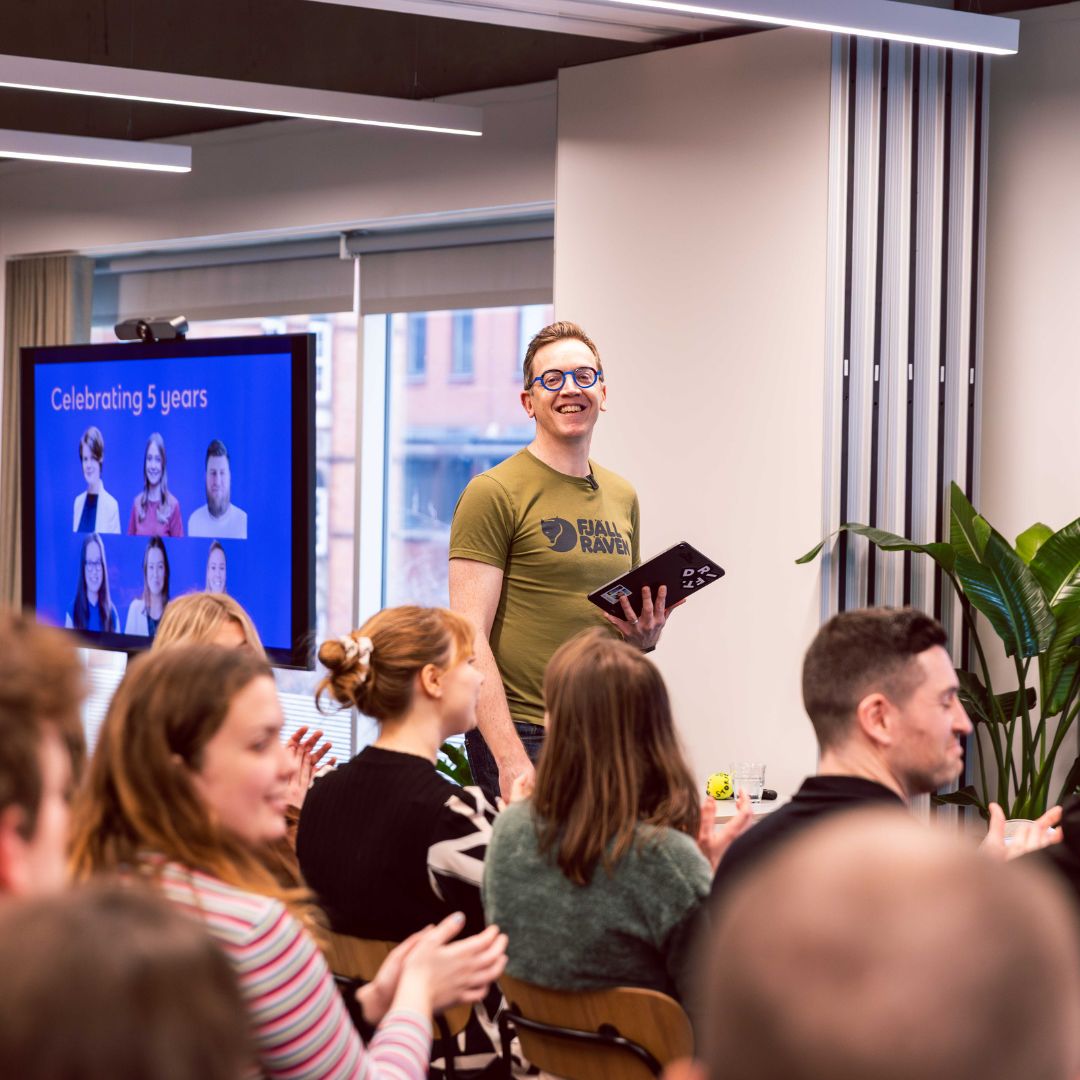
Jon (Managing Director), Kay (Quality, Data and B Corp Lead), and Honour ( Sustainability Coordinator) all headed to the Blue Earth Summit in London in October. The summit was all about innovation, optimism and action. In fact, it’s the UK’s leading environmental conference focused on optimistic, innovative solutions in business that benefit both people and the planet.
We valued the opportunity to be part of discussions with other purpose-driven leaders about creating a positive impact through business. During the event we had some fascinating conversations, learning about startup businesses that are already leading the way with sustainability. We found out how other businesses are combining impact with growth and explored the relationship between community wellbeing and sustainability.
Key takeaways included:
October 2025 was a busy month for us, because we also attended the Landscape Institute’s national conference in Birmingham.
We had such an interesting time with the Landscape Institute that we worked with them again at our London office, discussing some ideas on where our industry is heading next. We covered:
In September 2025, our Arboricultural team attended the Arboricultural Association Conference. This body forms the foundation of the professional industry standards our Arbs team works to, so there was no better place to learn more about our specialism.
We were lucky to hear from some of the industry’s top experts at the conference, who shared their vision for the future of Arboriculture in the UK. Throughout the day, several key ideas were reinforced by some of the industry’s top minds:
This conference was important, enabling our Arb team to learn more, expand their thinking and stay ahead of important updates to the industry that can affect a development.
Emerging environmental standards and new guidance
We’ve seen the emergence of some changes to legislation and policy that affect everyone involved in the projects we work on. Here’s what’s new to us this year.
Our Arboricultural and Ecology teams provided expert support for a planning application and appeal for a proposed housing development site in Hurst, Wokingham. The application was refused, which related to the removal of two mature trees on the site. This project was a prime example of how our team collaborate internally, as well as with developers and the Local Authority to find a workable solution under pressure.
The challenge was to understand and navigate the nuances between the NPPF and the BNG definition of a veteran tree. Given that there’s no precedent for this issue, it required close working partnerships to understand the details of the problem and what needed to happen for a successful outcome.
With a fully collaborative approach, we developed a strong and defensible planning submission, balancing BNG requirements with the practical realities of the development.
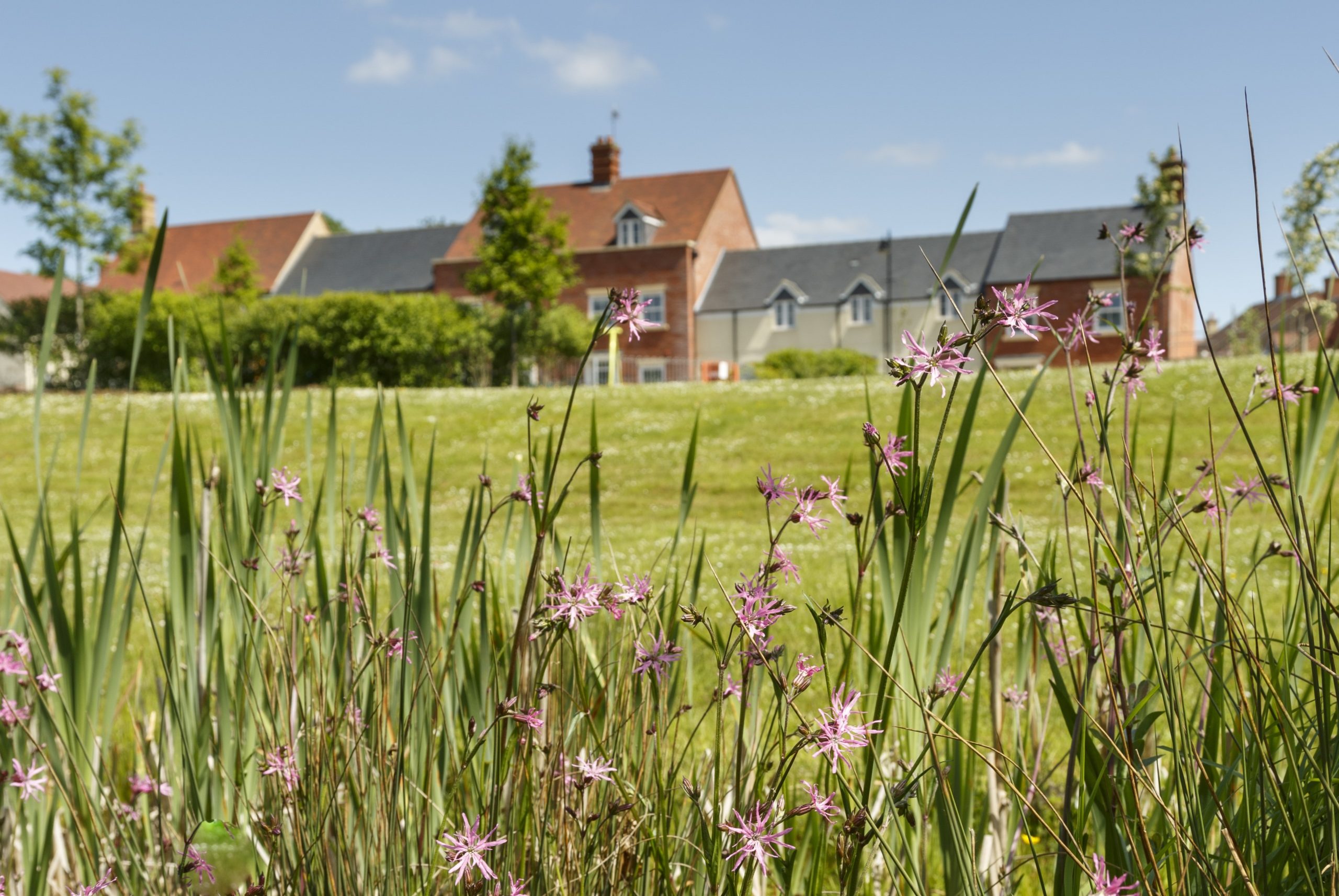
This year marks the first full year of mandatory Biodiversity Net Gain. In fairness, we’ve been helping our clients navigate BNG on their developments long before it became a requirement. Nevertheless, this year has increasingly shown how nature needs to be front and centre of any conversation for developers. We’re chuffed that it is.
We recognise, however, that mandatory BNG might be news to some developers as they begin to map out a project. There’s a lot of support out there to help understand the changes (here’s a great example), and while it’s important to implement the changes, we can’t lose sight of the fact that projects still need to be practical, feasible and within budget.
Our teams can help you. The important thing is to engage with us at the early stages of development so that we can offer insights and answers before any potential issues crop up later down the line. We know how to make BNG work in the real world, and we follow a three-step process that makes our approach unique: early involvement, genuine collaboration and long-term planning. Find out more about our approach.
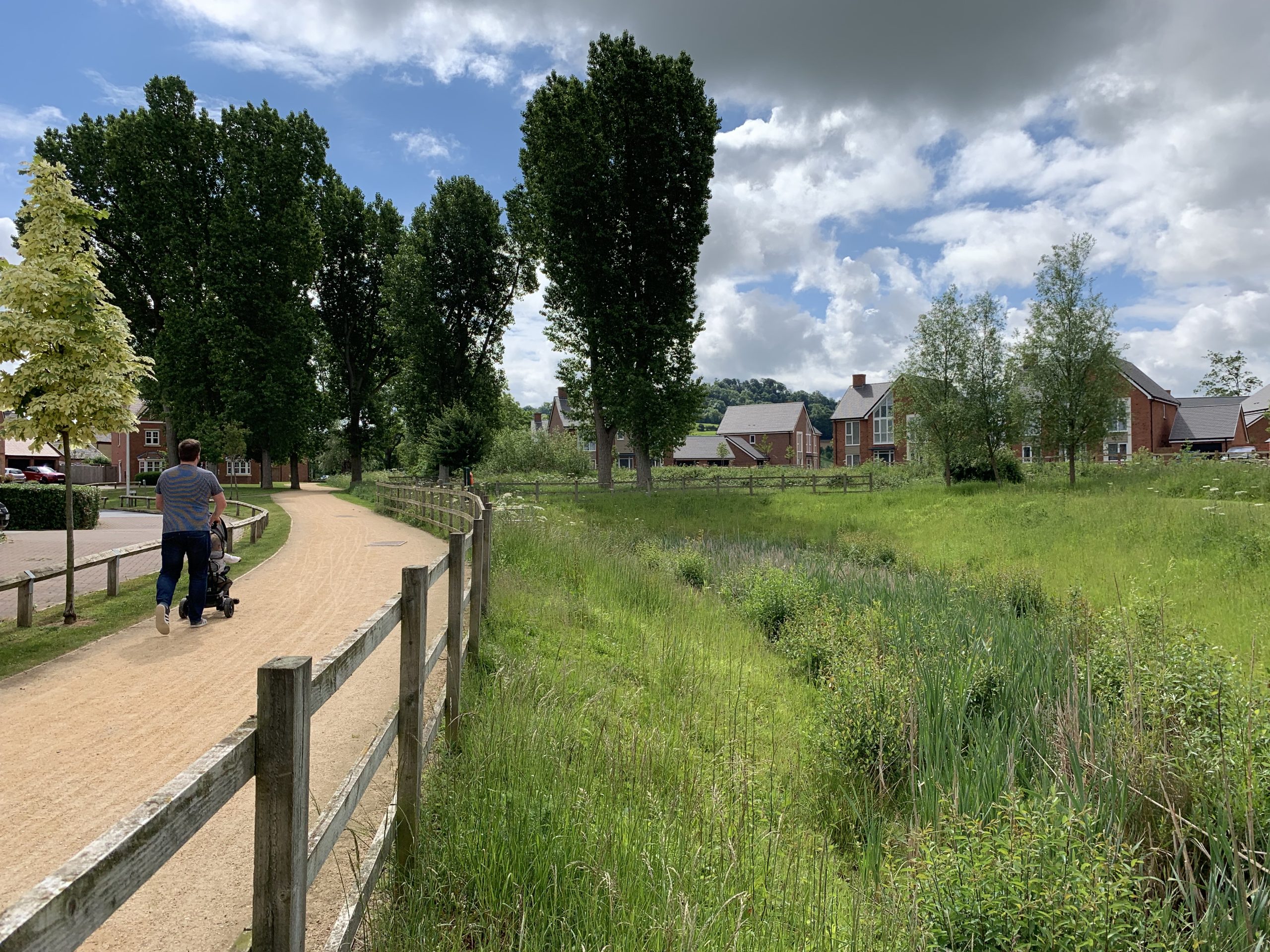
This year also saw a renewed focus on green infrastructure, with Natural England calling it, ‘the catalyst for urban greening’. Green infrastructure on a development offers many factors that contribute to a higher BNG score, such as habitat creation or flood mitigation. It’s a good bet then, that this too will become more of a standard to developments rather than an optional extra. Going forwards, developers and planners may need to factor ‘nature capital’ more comprehensively into a budget, as it’s viewed as an asset requiring demonstrable investment, not just a nice thing to have. Good news for everyone, we think.
Finally, looking ahead, we can expect to see a growing focus on climate adaptation and resilience design, likely to become a bigger part of the planning process than ever before. Climate change needs not only mitigations (like reducing carbon emissions), but also adaptation. This can mean more resilient infrastructure in developments, like flood risk management and more sustainable drainage methods. This is where green and blue infrastructure becomes an intrinsic part of future plans.
2025 was a positive year for our industry, defined by collaboration, innovation and pragmatism. Changes for the good of nature and lots of learning opportunities and conversations have pushed our industry forward and we can feel optimistic about the future. We’ve been able to look at our own business and reassess how we work and how we can implement change for the good of nature in the way we measure our company. It feels like a natural progression for us and we hope to develop it even further this year.
Despite the legislative changes to navigate, and the pressure and constraints that developers are experiencing, we’ve seen more developers turn to nature-positive design principles than ever before. That’s a massive leap forward. We’re past the point of ‘learning the rules’ and BNG is fast becoming BAU (business as usual). It will shape the baseline for new developments as it has become an embedded, non-negotiable aspect of it.
We’re the connection between big-picture environmental thinking and practical project delivery. We support you through the legislation and requirements of landscape planning, ecology and arboriculture, translating environmental ambition into real development success.
If you need support to achieve your project’s environmental goals this year, get in touch.