Expert witness services for planning appeals
For appeals, you need expert witnesses who can perform under scrutiny. Our work is appeal-ready from the earliest stages, delivered by one of the largest and most established expert witness teams in the field, with extensive hearing and inquiry experience.

Trust and credibility
Trusted when the stakes are highest
- A proven track record on planning appeals
- Regularly recommended by leading planning barristers
- A large, established team of expert witnesses
- Experience across landscape, ecology, arboriculture and specialist areas
- Evidence that is appeal-ready and tested against real scrutiny

When you’ll need this service
When to bring us in
Heading towards an appeal? Bring an expert witness in as early as you bring in Counsel. Especially at the due diligence stage, when risks are being identified and positions are being shaped.
Why Tyler Grange
Why choose Tyler Grange as your expert witness
Our service is delivered by an established team of expert witnesses (not just one or two familiar names), with specialists across landscape planning, ecology, arboriculture, biodiversity net gain and green blue infrastructure.
Our advice is appeal-ready from day one, shaped by working closely with barristers and real inquiry experience, which is why we’re regularly recommended by leading planning barristers when the stakes are high.
Meet the expert witness team
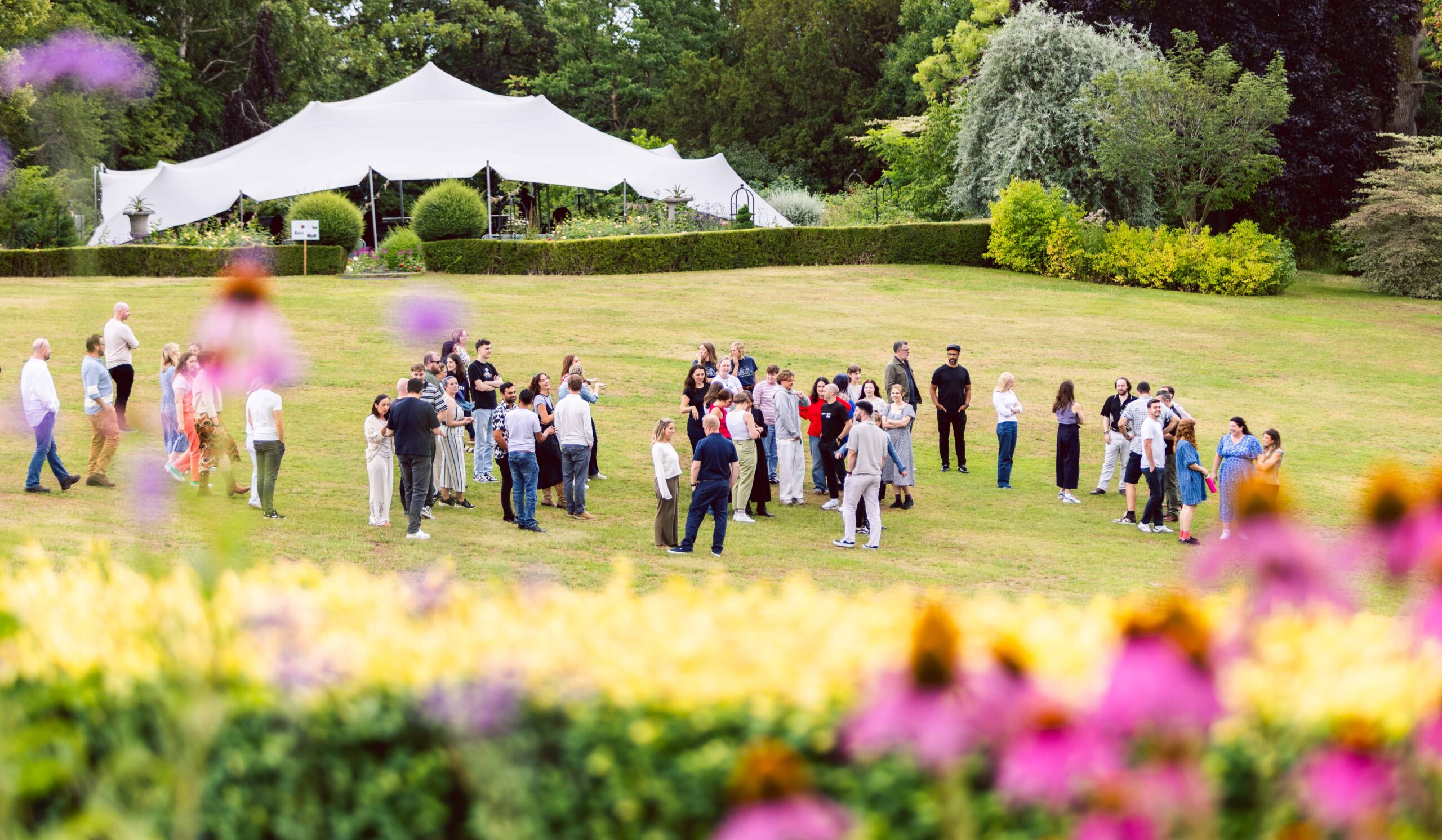
Behind every appeal is a team that can deliver under pressure. Appeals can be intense – long days and the hotel stays thrown in – so it helps to be working with people you trust and don’t mind being stuck with when things get pressured! We’re good people to have in your corner when it counts.
How the process works
1. Strategic review of refusal or risk
This can start at the earliest stages of a project. We review early risks as they emerge, so you know what’s likely to be challenged later and what needs tightening now
2. Consultee responses, determination and rebuttal support
Clear advice responding to consultee comments during determination, strengthening the submission and keeping your position robust ahead of any appeal.
3. Evidence preparation and appeal strategy
We prepare defensible written evidence, shaped by experience and input from barristers.
4. Hearing or inquiry representation
We appear as expert witnesses at hearing or inquiry, presenting and defending our professional opinion at round table and under cross-examination.
5. Decision support and next steps
Once the decision is issued, we advise on the outcome and practical next steps.
Common concerns
Q: What if this project didn’t start with you?
A: We often support appeals where the original landscape consultant can’t, or doesn’t want to, appear as an expert witness. We’ll use existing reports and material where we can. We’ll also give an independent, robust opinion in the evidence we submit.
Q: What happens at a hearing or public inquiry?
A: A hearing and a public inquiry follow a similar process, but an inquiry is more formal.
At a hearing, topics are usually discussed through a round table. The Inspector leads the session and asks questions. Witnesses respond and refer back to their written evidence.
At an inquiry, evidence may be tested through cross-examination. It can feel like a courtroom. Each witness is first asked questions by their own barrister (“examination-in-chief”). They are then questioned by the opposing barrister (cross-examination). After that, their own barrister may ask follow-up questions (re-examination).
Throughout, witnesses direct their answers to the Inspector, addressed as “Sir” or “Madam”. Other participants may also ask questions, including third parties or Rule 6 parties.
Appeals are intense and hard work, but there can also be real moments of teamwork along the way.
Q: Will you be honest about the risks in our case?
A: We will always highlight the areas of concern and weaknesses in the case, and where these can be addressed through additional information or amendments to the scheme (if possible). It’s always best to get the earliest advice from your witnesses to make sure that your scheme has been designed with planning success in mind from the earliest stages.
Q: How involved will you be during the appeal?
A: There are busy periods during an appeal. Most of the work happens around writing evidence and preparing appeal documents.
The team stays in close contact as things build up to the hearing or inquiry. That’s usually through emails and meetings with Counsel. During the appeal itself, it’s all in person.
Witnesses usually attend from a day or so before they’re due to appear. They stay involved until they’ve given evidence and any site visit is complete.
The appeal team often stays in the same hotel. It can be intense, but it’s also a great bonding experience and people often come away with genuinely good memories.
Q: What makes an expert witness different from standard consultancy advice?
A: An expert witness understands the level of scrutiny that their and their team’s work will endure. Their experience helps them to understand issues that may arise within application documents, from bigger challenges through to the exact use of wording and to identify risks at the earliest stages.
Q: Will you tell us if something isn’t likely to succeed?
A: All appeals come with a level of risk and we will always highlight the challenges and weaknesses within the scheme, including if it will be hard to defend at appeal. Technical disciplines form just a part of the planning balance, and the barrister will be able to give a rounded view of the likelihood of success.
Facing a planning appeal?
The earlier we’re involved, the stronger your position.