Sharper minds. Stronger outcomes.
Why four days made perfect sense
Our work can mean long hours, long commutes and high carbon emissions. It’s hard on people and no better for the planet. Burnout wasn’t rare.
We wanted a better balance. Time at home, time with family and time that wasn’t about recovery. So, after canvassing opinions, talking to researchers and reading countless case studies and publications, we did the 4-day week trail in 2022.
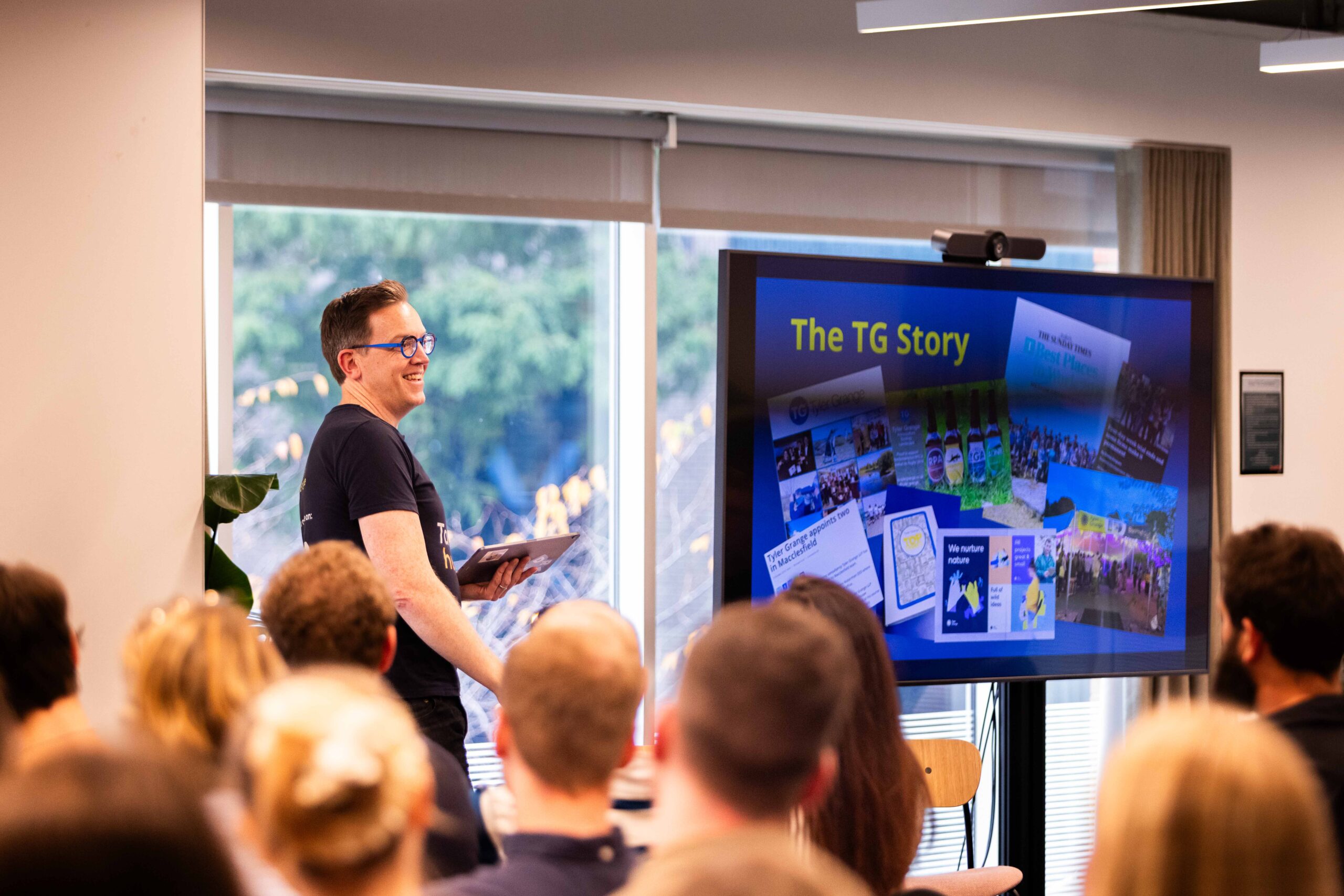
What we learnt
It wasn’t a snap decision. We spent months getting ready – running workshops, cutting admin, trimming meetings and dropping what didn’t add value.
The trial was careful, backed by research and honest conversations with clients. The goal was clear: 100% pay, 80% time, and 100% output. We measured everything.
Productivity went up. Long days dropped by a third. People felt happier and less wiped out.
That said, it wasn’t all smooth. Thursdays got intense. Some Fridays still needed attention, so the senior team covered an emergency line. Bank holidays caused chaos until we fixed our system. A few clients worried about access, but better Thursday comms solved most of that.
We had to rethink how we plan, hand over and check work. But the results made it worth sticking with.
How we run the 4-day week now
Since January 2023, it’s permanent. Same output in four days. We still get things wrong sometimes. But we fix it and keep measuring.
We’ve built a rhythm that gives people their lives back. Weekends feel like weekends again.
Ecologists come back with fresh eyes for site visits. Landscape Architects return full of ideas for designing better blue and green infrastructure. Arboricultural Consultants find time to upskill and dig into the detail. Our Hub team (finance, graphics, marketing, HR, IT) benefits just as much. With more headspace, they’re better placed to juggle deadlines, spot issues early and support the rest of the business.
Everyone gains (and so do our clients).
Watch our video on what TG is like to work for below:


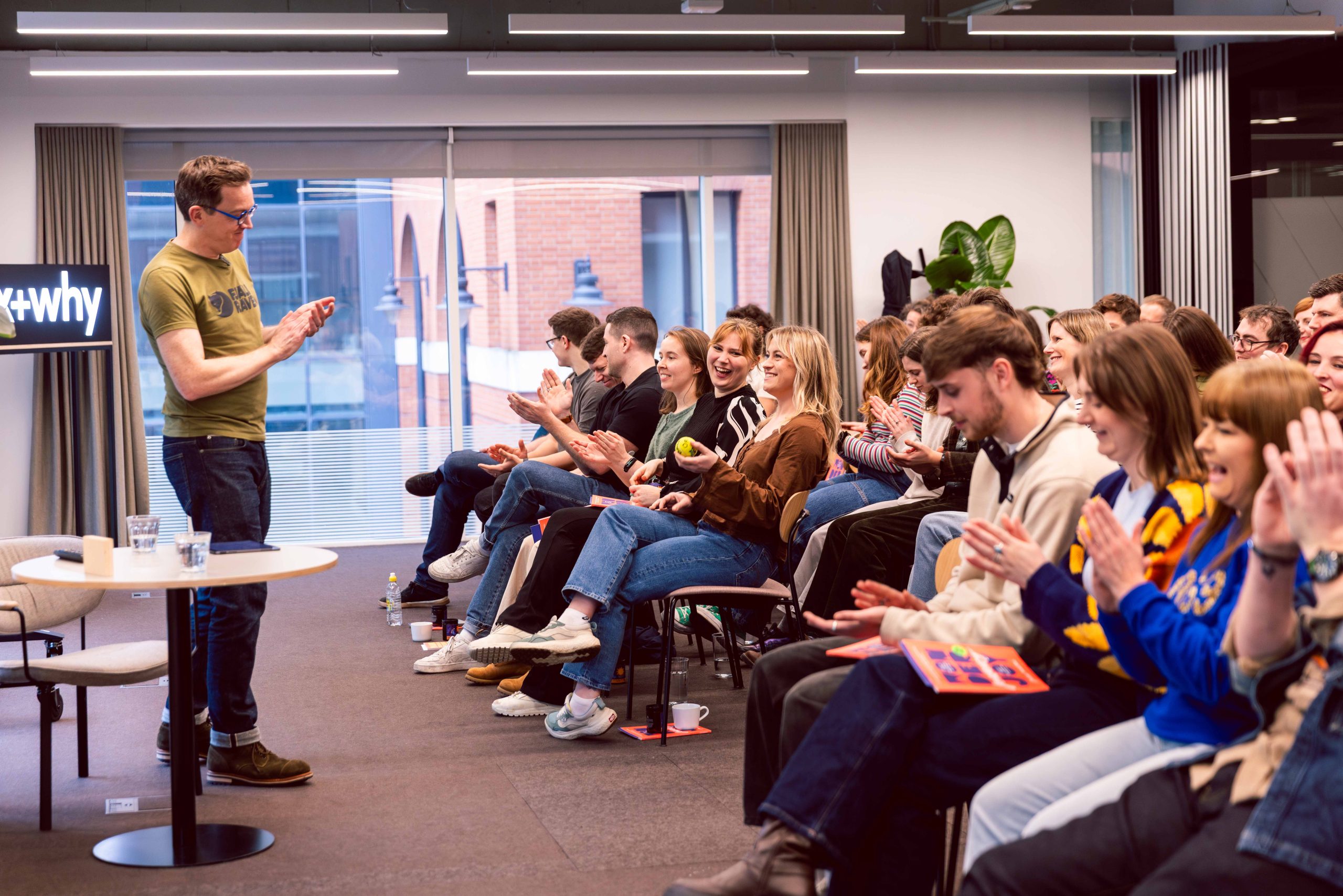
What is Tyler Grange like to work for

Dependable advice
Every project has a dedicated Project Director overseeing delivery, with discipline leads involved where needed. The aim is consistency with familiar faces who know the detail and can spot issues early.
Deadlines matter, and the team works hard to meet them. But things shift. Setting key dates early helps, especially when everyone’s aligned.
What stays steady is the quality of advice. Expect clear guidance, creative thinking, and someone willing to challenge what doesn’t feel necessary.

Clear communication
The aim is to get reports over by Friday morning, giving space for questions before the weekend. It doesn’t always land that way, but that’s the intention.
Client communication is a top priority. Some projects move fast and need daily updates. Others take more time. Either way, the goal is to keep things clear and avoid last-minute surprises.

Sharper delivery
Once people get a proper break, it shows. Mondays feel sharper. There’s more focus, more energy and better thinking across the board. Site work runs smoother. Designs go deeper. Reports get tighter. The support behind it all is stronger too.
It creates a bit of a cycle: better rest leads to better work, which makes everything easier to deliver well.
Fewer sick days
70 % fewer sick days, with fatigue down 18 % and happiness up 10 %.
More productive
21% more output in six months, even with fewer hours.
Less milage
21% fewer miles driven by the Tribe in 2022 – that’s around 24,000 business miles saved, thanks to fewer meetings and smarter planning.
Lower carbon output
With less travel and no office traffic on Fridays, TG cut vehicle emissions and saved energy on data systems.
More time to give back
Freed-up days opened space for volunteering – from climate action to community projects and everything in between.
More attractive to top talent
60 % more job applications and 534 % surge in enquiries.
“I get more time at home, more time with my family and more time for myself.”
Harry Madeley, People, Place & Purpose Lead
“The four-day week lets me spend Fridays with my elderly father; I stay focused on work the rest of the week, and on Dad that day.”
Linda Grant, Administrator
“I joined because everyone here works four days; it’s a bonus that no big work happens on the day off.”
Jody Gunn-Russell, People Development Coordinator
“I get lots more time outside work, extra time with friends and to tick off the little things.”
Mia Fitzpatrick, Assistant Ecologist
“Weekends finally feel like weekends; I can do school pick-ups, volunteer on Fridays and still clear the life admin.”
Rob Revolta, Technical Director
FAQ's
When did the change happen?
The four-day week became permanent on 1 December 2022, after a six-month trial.
Why switch at all?
Five long days were driving fatigue and burnout. A shorter week boosts focus, cuts absence and helps us keep great talent. It also trims travel and energy use: good news for the planet.
Do you cram five days into four?
No. Hours stay sensible. We work smarter, not longer, and still hit all key deadlines.
Will my project slow down?
No. Trial data showed a 21% jump in productivity and faster turnaround times.
How do I reach someone on a Friday?
Email help@tylergrange.co.uk. A member of the senior team is always on hand to respond to urgent queries, but they work best rested too.
What’s the benefit to me?
A fresher, happier Tribe means sharper reviews, fewer errors and a steadier team on your project from start to finish.